
International Coalition of Sites of Conscience
— English text below —
Just as the dark chapters of history require transparency and courage to confront, so too must moments of courage and peace be remembered as beacons in the night.
Today we honor the remarkable people who, 75 years ago, fought to liberate Italy and put an end to the oppression of millions of others. Their actions continue to inspire us, as they liberated not only the people of that era but also future generations.
The International Coalition of Sites of Conscience sends its best wishes to the Monte Sole School of Peace Foundation, a long-standing and exemplary Site of Conscience, and to the global communities with which it works so effectively.
We must celebrate you virtually this year, but our admiration for your extraordinary programs and your support knows no bounds. Your steadfast efforts will surely have a positive impact on the world for many years to come.
Congratulations!
While the dark chapters of history must always be addressed with transparency and courage, the moments of bravery and peace must also be remembered as beacons of light. Today, we honor the remarkable individuals who, 75 years ago, fought to liberate Italy and end the oppression of millions. Their actions continue to inspire us, as they freed not only their contemporaries but future generations as well. The International Coalition of Sites of Conscience extends its best wishes to the Fondazione Scuola di Pace di Monte Sole, a long-standing and exemplary Site of Conscience, and to the global communities it serves so capably. While we must celebrate you virtually this year, our admiration for your extraordinary programs and your advocacy knows no bounds. Your steadfast efforts will surely have a positive impact on the world for many decades to come.
Congratulations!
Le Bois du Cazier, Marcinelle, Belgium

Dear Friends and Colleagues,
In this unusual period of social distancing (across all of Europe), we must face an invisible enemy that seeks to weaken us both physically and mentally. But let’s remain optimistic; this cannot be compared to the suffering of the two world wars. This difficult time must inspire us to commit even more deeply to defending the peace we have inherited.
When the lockdown ends, we will reconnect with the other Sites of Consciousness to keep the memory alive and resist the ravages of time.

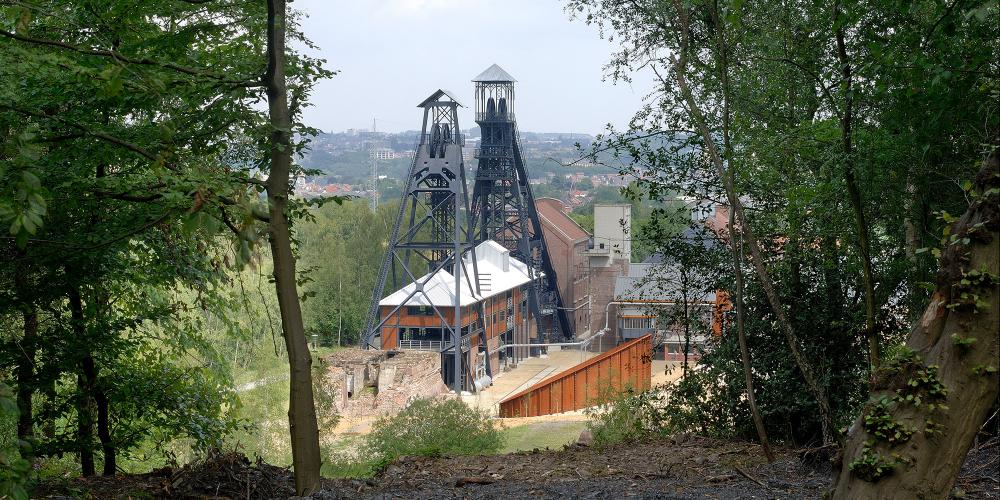
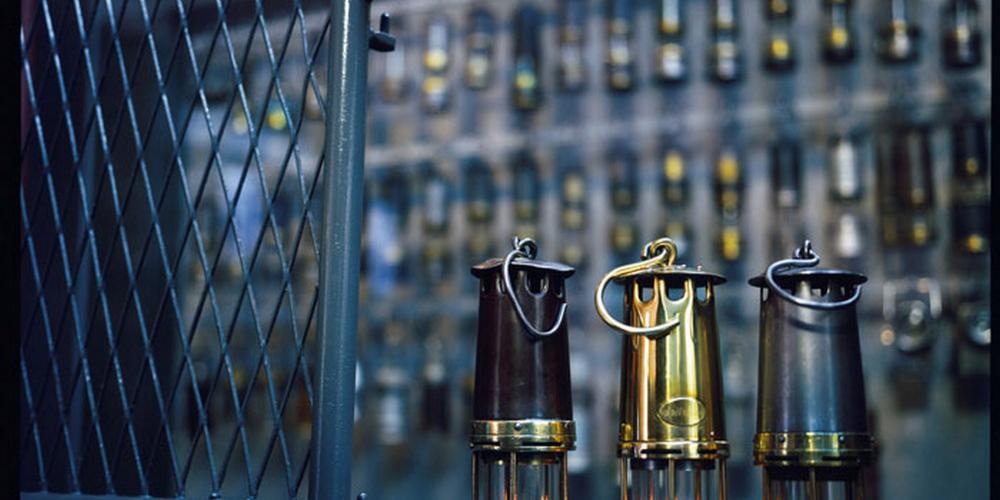

National Museum of Resistance and Freedom, Peniche, Portugal

April 25 – Freedom Day // April 25 – Freedom Day
This is the message our colleagues at the Museu Nacional Resistência e Liberdade in Peniche, Portugal, sent us.
“We define the Resistance as the thousands of actions—both large and small—carried out by the people, including workers, students, farmers, intellectuals, and the armed forces, who, together, undermined and weakened the oppressive fascist regime.
This museum will always remind us that the greatest achievement of the Revolution of April 25, 1974—Freedom—will continue to be ‘the one thing’ we never want to lose again.”
In Portugal, April 25 is, as in Italy, a day to celebrate the final uprising against the Portuguese fascist regime, which ruled the country from 1926 to 1974.
Since April 25, 1974, when the Democratic Revolution—also known as the Carnation Revolution—took place in Portugal, this day in April has been a national holiday celebrating “Freedom.”
The National Museum of Resistance and Freedom (Peniche, Portugal) is housed in the Peniche Fortress, one of the most iconic prisons of the “Estado Novo” regime—a place of repression, severe violence, and resistance. The museum preserves the memory of the resistance to the Portuguese fascist dictatorship and pays tribute to the arduous and painful struggle for freedom and human rights that took place in Portugal during those 48 long years of repression.
At the National Museum of Resistance and Freedom, we define the Resistance as thousands of actions—both large and small—carried out by an entire people, including workers, students, farmers, women, intellectuals, and military forces, which, collectively, undermined and weakened the oppressive fascist regime.
This museum will always remind us that the most valuable achievement of the April 25, 1974, Revolution—Freedom—will continue to be “the one thing” that we never want to lose again.
National Museum of Resistance and Freedom
, Peniche Fortress, Portugal
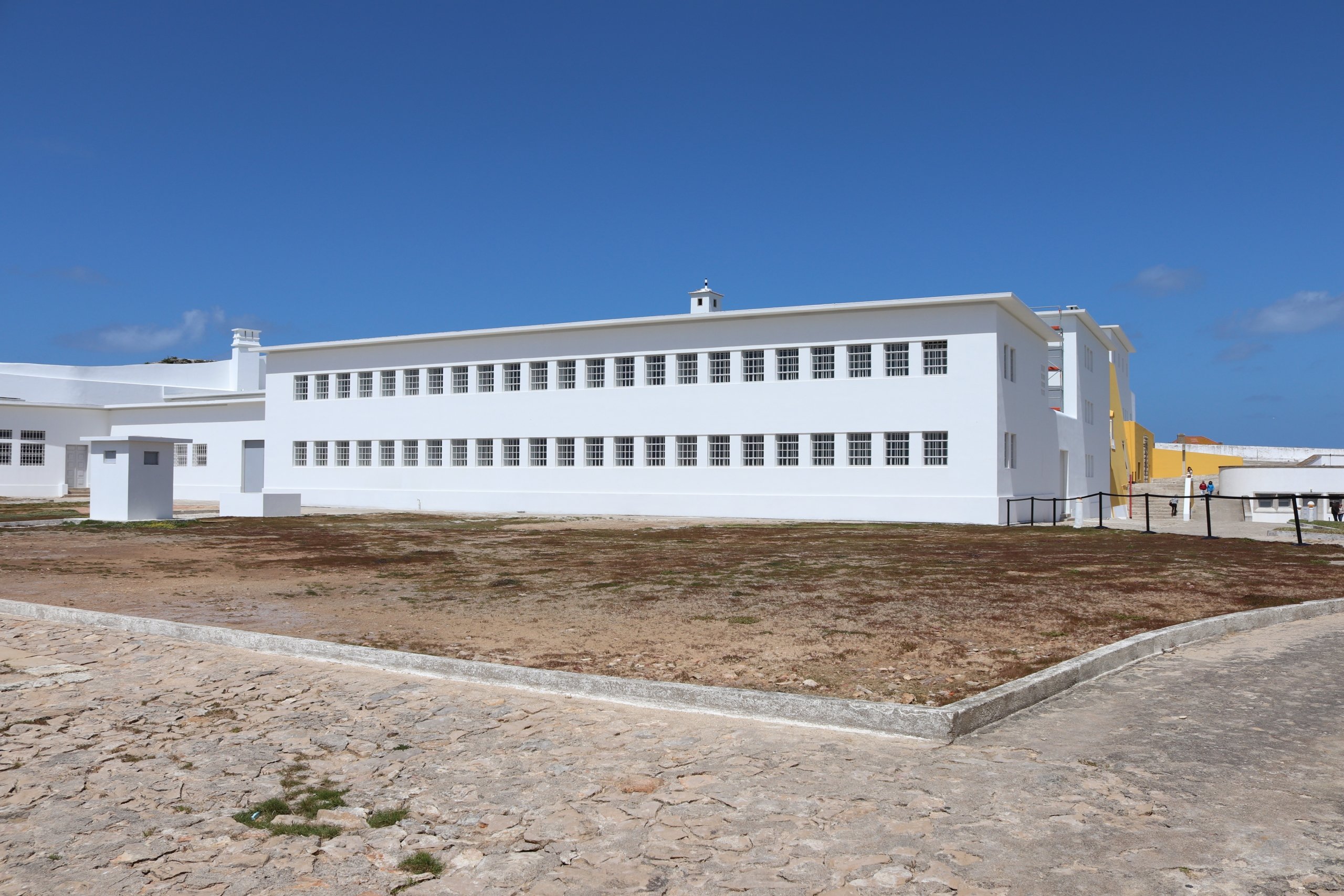
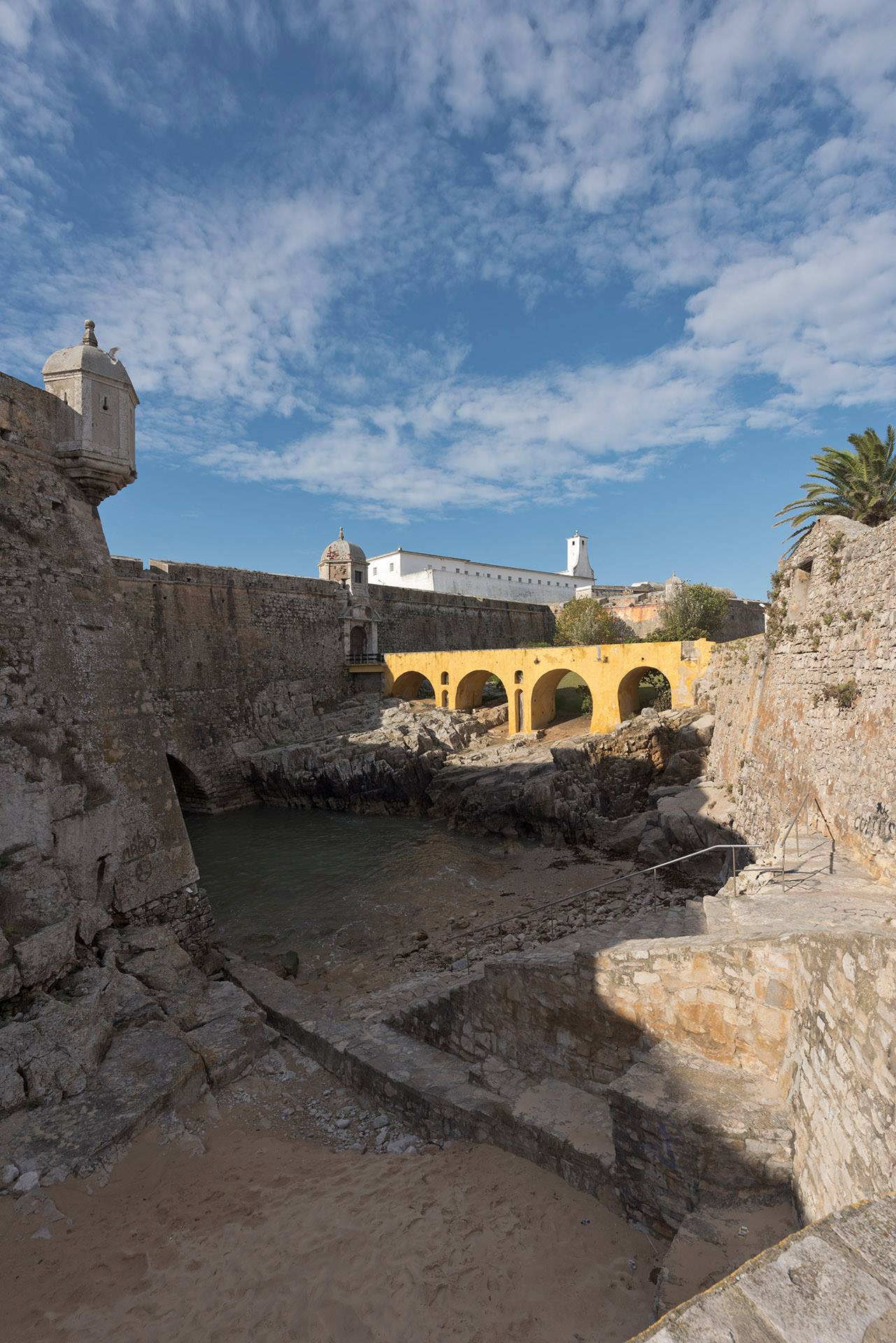
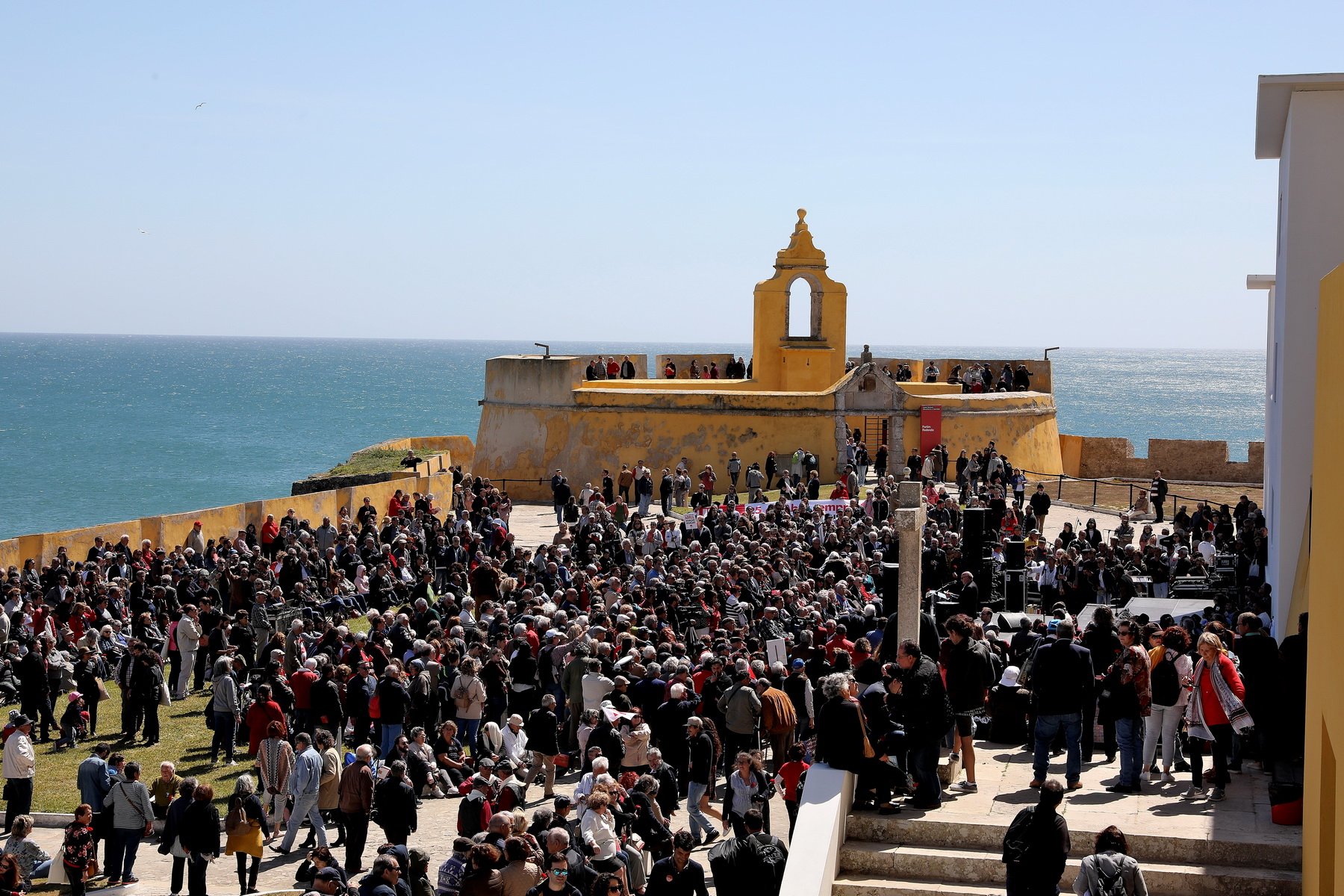
Gernika Peace Museum, Spain

The inescapable and transformative memory of the past /
The inevitable and transformative memory of the past.
People and organizations like ours (the Gernika Peace Museum), whose mission is to commemorate a historical event—the bombing of Gernika during the Spanish Civil War on April 26, 1937—for the sake of peace, are well aware of the hard work that this entails. The passage of time can make things appear differently, and this has not helped subsequent generations, who, due to the imposed silence, did not know or speak freely about what had actually happened.
Unfortunately, we learn little from our past mistakes, and we continue to witness terrible situations of war, defenseless victims, perpetrators who believe their crimes will go unpunished, and suffering and horror—all of which continue to leave deep scars on the history of humanity.
Today, failing to remember can have only negative consequences because it implies a lack of empathy for the problems of the past that are repeating themselves in the present.
During these times of lockdown across nearly the entire world, freedom and the memory of it—or of its absence due to serious reasons such as war—are unavoidable. We can all feel firsthand what it means to be confined and deprived of freedom. For this reason, this commemoration of April 25 in Italy (Liberation Day), including here in Monte Sole, will have a much more special meaning, even though it must be celebrated online.
Warm regards from Gernika, which, the following day, April 26, will commemorate the 83rd anniversary of the bombing of its city.
— original text —
People and organizations like ours (the Gernika Peace Museum), whose mission is to commemorate a historical event—the bombing of Gernika during the Spanish Civil War on April 26, 1937—with the aim of promoting peace, are well aware of the arduous work that this entails. The passage of time may cause us to see things differently, but it has not helped later generations, who—due to the imposed silence—did not know or speak freely about what had truly happened.
Unfortunately, we learn little from our past mistakes, and we continue to witness terrible situations of war, defenseless victims, perpetrators who believe their crimes will go unpunished, and suffering and horror—all of which continue to leave deep scars on the history of humanity.
Nowadays, failing to remember can only have negative consequences because it implies a lack of empathy toward the problems of the past that are repeating themselves in the present.
During these times of lockdown across nearly the entire world, freedom—and the memory of it, or of its absence due to circumstances as grave as war—is impossible to ignore. We can all feel firsthand what it’s like to be confined and deprived of freedom. That’s why this April 25—the commemoration of Liberation Day in Italy and also in Montesole—will surely have a much more special meaning, even if it must be celebrated online.
Warm regards from Gernika, which, one day later, on April 26, will commemorate the 83rd anniversary of the bombing of its city.
Iratxe Momoitio
Director of the Gernika Peace Museum
Gernika Gogoratuz Peace Research Center, Spain
When we think of the word “resistance,” we recall the founding declaration of the International of War Resisters from 1921, which we have also adopted as our own:
“War is a crime against humanity. For this reason, I am determined not to support any kind of war, and to work toward the elimination of all its causes.”
When we think of the word “resistance,” we are reminded of the founding declaration of the War Resisters’ International, which dates back to 1921 and which we also embrace as our own:
“War is a crime against humanity. That is why I pledge not to support any kind of war, and to fight for the elimination of all its causes.”
When we think about the word “resistance,” we recall the founding declaration of War Resisters International, dating from 1921, which we also embrace as our own:
‘War is a crime against humanity. I am therefore determined not to support any kind of war, and to strive to eliminate all causes of war.’

Let us take our place so that the message of peace from the Tree of Gernika may flourish! Let us take our place so that the message of peace from the Tree of Gernika may flourish!
Nuremberg Trials Memorial, Germany
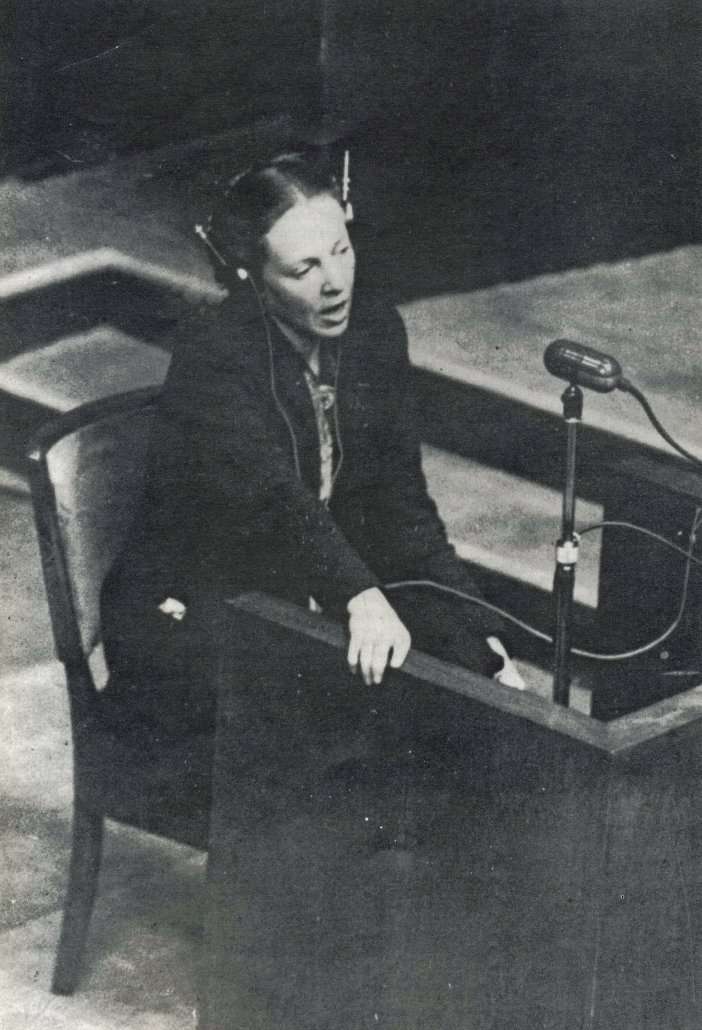
— English text below —
On January 28, 1946, Marie-Claude Vaillant-Couturier, a French Resistance fighter and Holocaust survivor, testified before the International Military Tribunal for the Trial of the Major War Criminals in Nuremberg. Her involvement in the Resistance was discovered in 1942. She was then deported to the Auschwitz-Birkenau and Ravensbrück concentration camps. After World War II, she testified in the French prosecution’s case for crimes against humanity during the Nuremberg trials, where she was the first witness to address the court as a Holocaust survivor.
Later, Marie-Claude Vaillant-Couturier became vice president of the National Assembly and then honorary vice president. In 1987, she also testified at the trial of the Nazi war criminal Kalus Barbie, the so-called “Butcher of Lyon.”
On January 28, 1946, Marie-Claude Vaillant-Couturier, a French resistance fighter and Holocaust survivor, testified at the Trial of Major War Criminals in Nuremberg. Her involvement in the Resistance was discovered in 1942. After that, she was deported to the Nazi concentration camps Auschwitz-Birkenau and Ravensbrück. After World War II, she testified on behalf of the French prosecution regarding crimes against humanity during the Nuremberg trials. In Nuremberg, she was the first witness to appear before the court who testified as a Holocaust survivor.
Later, Marie-Claude Vaillant-Couturier became Deputy Chairwoman of the National Assembly and eventually its honorary vice president. In 1987, she also testified during the trial of the Nazi war criminal Klaus Barbie, known as the “Butcher of Lyon.”
Marijana Toma, Belgrade, Serbia

— English text below —
Resistance means always standing up for the rights of those who are powerless and different from you.
Resistance means that you always choose to tell the truth, even if the truth might be uncomfortable for you, your family, your community, your country, and, above all, your state.
Resistance means calling a fascist a fascist, not being afraid to offend him or her, and never looking for acceptable terms to describe him or her as a fascist—thereby allowing him or her the space to spread his or her hatred. If you give them a platform, if you call them “right-wing,” you allow them to share their fascism.
Resistance against fascism lies in the daily struggles, every single day—no matter how tired or exhausted you feel, no matter how many enemies you make—resistance means taking a stand against fascism every time you see it and hear it, and being resolute in saying: No pasarán. Not now, and never again.
Resistance means always standing up for the rights of those who are powerless and different from you.
Resistance means choosing to always speak the truth, even though that truth might be uncomfortable for you, your family, your community, your nation, and above all, your state.
Resistance means calling a fascist a fascist, not being afraid of offending him or her, and never looking for euphemisms to describe him or her as a fascist in order to give him or her a platform to spread his or her hatred. If you give them a platform, or call them “alt-right,” you allow them to spread their fascism.
Resistance against fascism is about a daily struggle—no matter how tired or exhausted you feel, no matter how many enemies you make—resistance means standing up against fascism every time you see or hear it, and standing firm in saying: “No pasarán.” Not now, and never again.
Marijana Toma, historian and human rights activist, Belgrade, Serbia.
Javeed Ul-Aziz, Kashmir

— English text below —
Resistance means, but is not limited to, opposition and/or rebellion—whether individual or collective, organized or unorganized, open or covert—against power that acts in such a way as to impose or perpetuate illegitimate control.
Resistance is everything a wounded community does to put an end to its subjugation or to mitigate or circumvent the effects caused by this subjugation. Both challenging illegitimate power and fleeing from it to weaken it can be defined as resistance. Remaining silent when we are asked to speak, and shouting when we are asked to remain silent, is resistance.
Resistance means, but is not limited to, individual or collective, organized or unorganized, overt or covert defiance and/or opposition to power that operates in such a way as to impose or perpetuate illegitimate control. Resistance is everything a wounded community does to end its subjugation or to mitigate or circumvent the effects that subjugation unleashes. Confronting illegitimate power or fleeing from it to weaken it both qualify as resistance. Remaining silent when asked to speak and crying out when told to be silent is resistance.
Dr. Javeed Ul Aziz
Assistant Professor
Department of History,
University of Kashmir
Else Edizioni, Rome

Since the start of the COVID-19 emergency in Rome—and likely elsewhere in Italy—we have been witnesses to the ritual of the national anthem blaring in stereo from the windows of homes down in the streets, among the buildings.
Mameli’s anthem serves to remind us that “everything will be all right,” that we are a country, a united nation that still knows how to rally around its flag, because it is widely believed that we are “at war.” This ritual is always preceded and followed by strictly Italian pop songs, complete with corresponding dance routines on the balconies.
A ritual that takes on a macabre tone because it takes place at the very same time that the civil protection bulletin and the COVID-19 death toll are released. And so that music and that anthem, that gathering in a tight circle, seems more like a need to repress—not so much what is happening right now, but the causes of a pandemic that stem from the distant past and concern the workings of capitalist production, the violation of nature, climate change, global commercial interconnection, pollution, and the lies of the world’s powerful—not to mention the consequences, which become all the more disastrous the more governments have fragmented communities and dismantled the welfare state and the national health service.
So the national anthem should remind us of exactly that—which country we belong to and to which politicians and officials we have entrusted our health and our future. Resisting today can mean nothing other than thinking about the future with a new, renewed, and revolutionary desire for change—so that the gradual disappearance of the virus from our lives and the fierce desire for economic recovery do not permanently obscure the momentum toward something new, which in these days seems so clear and necessary in the face of the world as it is.
Looking at Mariana Chiesa’s poster, which features the words of Gloria Fuertes—“The homeland is not a flag, nor a gun; the homeland is a child looking at us”—let us remember on this April 25 the resilience of all the children who have now disappeared from our social landscape, confined to their homes.
To resist is to continue to feel their gaze through the window, toward a different future in which they, too, can once again dream of and hope for a different homeland and different adults.
Chiara Mammarella and Marco Carsetti, *
*, Else Edizioni
Federico Tenca Montini

“I almost automatically associate the concept of the Resistance with the Slovenian minority still living near the border.
Already a victim of the first fascist acts of violence in 1920—when the Slovenian cultural center in Trieste was set on fire—and a national enemy in a state that had incorporated, to the east, vast ethnically mixed territories, after the invasion of Yugoslavia in the spring of 1941, they also came to embody the ideological enemy, due to the partisan movement flourishing across the border.
Having survived, between 1943 and 1945, an anti-partisan hatred that was unmatched in other territories that are now part of Italy, the end of World War II did not put an end to the violence—exemplified by the anti-Slovenian pogrom in Gorizia in 1947, during which dozens of homes were set ablaze—which would continue in the area until the border was established in 1954.
Nor were the subsequent years—though no longer steeped in blood—easy, given a climate of political and national conflict that by then had taken root in a tradition stretching back decades.
The situation has improved in recent years as Italy and Slovenia have become part of the greater European homeland; the final symbolic act—the return of the Narodni Dom, the aforementioned building that burned down in 1920—is scheduled to take place 100 years later—COVID-19 permitting—in July.”
Federico Tenca Montini, historian and researcher at the University of Trieste
[In the photograph, Alma Vivoda (Chiampore, 1911 – Trieste, 1943) was an Italian partisan, considered the first female partisan to die in the War of Resistance]
Paulina Matuszewska, Martyrdom Museum in Żabikowo, Poznań, Poland
 — English text below —
For me, as a historian who studies the events of World War II, I often encounter the word “resistance” in the context of the resistance movement against Nazism. Today, however, I would like to recall a particular form of resistance: the Warsaw Ghetto Uprising. This is no coincidence: on April 19, Poland marked the 77th anniversary of the start of the largest Jewish armed uprising against the German oppressors. In 1943, when the world was already aware of the ghettos, the extermination camps, and the mass executions of Jews, during the liquidation of the Warsaw Ghetto on April 19, a group of people belonging to the Jewish Combat Organization, armed only with a dozen pistols and Molotov cocktails, began resisting the Germans. Much can be read and written about the history of this heroic event, but today we will focus on the term “resistance.” For me, resistance means fighting for a just cause, standing up against the oppression that tramples on our rights. However, this word and this action only become truly powerful when we unite in solidarity to fight for our rights. We must remember that only together can we achieve our goal. Let’s not look the other way, as the world did when the ghetto was burning in 1943. Some time ago in Italy, the Sardines movement called on people to take to the streets to resist nationalist political rhetoric; in Poland, women are fighting for the rights that are being taken away from them. Today, we are all resisting the virus by staying in our homes. Tomorrow we will face new challenges, because freedom is not something that is granted to us once and for all.
Paulina Matuszewska, a historian and educator at the Martyrologiczne Museum in Żabikowo, Poznań, Poland, has participated twice in the international camps organized by the School of Peace as part of the EU2BE project, and she wrote to us about her idea of resistance between one anniversary and the next…
As a historian studying the history of World War II, I frequently encounter the word “resistance” in the context of the resistance movement against the Nazis. Today, however, I would like to highlight a unique form of resistance: the Warsaw Ghetto Uprising. This is no coincidence, because yesterday, April 19, Poland celebrated the 77th anniversary of the outbreak of the greatest Jewish armed resistance against German oppressors. In 1943, when the world was already aware of the ghettos, death camps, and the mass extermination of Jews, during the liquidation of the Warsaw Ghetto on April 19, a group of people belonging to the Jewish Fighting Organization—armed with only a dozen pistols and Molotov cocktails—launched an armed resistance against the Germans. We can read and write a great deal about the history of this heroic event, but today we’ll focus solely on the word “resistance.” For me, resistance means fighting for a just cause, opposing the oppression that tramples on our rights. However, this word—and the action it represents—gains its true strength only when we stand together in solidarity to fight for our rights. We must remember that only together can we achieve our goal. Let’s not turn our backs, just as the world turned away from the burning ghetto in 1943. Some time ago in Italy, the Sardines movement took to the streets to resist nationalist political rhetoric; in Poland, women are fighting for the rights that have been denied them. Today, we are all resisting the virus by staying in our homes. Tomorrow we will face new challenges, because freedom is not something we have forever.
Rojda Yıldız, Diyarbakır, Kurdistan
 Dear friends!
My congratulations on the Liberation Day of the Italian people, who defeated the Nazi-Fascism that plagued the world at that time.
Although fascism is on the rise again in many countries around the world, today—just as 80 years ago—the resistance continues to fight for a better world. Wars, ecological destruction, femicide, pandemics, and the policies that the capitalist system implements to sustain itself continue to afflict society in an “insidious” way.
There has always been another possible path, and our paths are open today.
Against the fascisms of yesterday, today, and tomorrow.
Because, as the Kurds say:
BERXWEDAN JIYANE
Life Is Resistance
Warm regards from the capital of Kurdistan, Diyarbakir.
In solidarity,
ROJDA (political and human rights activist)
Camilla Iori Foroni, in memory of her grandmother Osvalda

Osvalda Foroni passed away in January 2019. For her funeral, in keeping with the values she had lived by even before becoming a partisan courier, she asked not for flowers, but for support for the mission of Mediterranea Saving Humans.
On that occasion, her granddaughter, Camilla Iori Foroni, described her grandmother as follows.
Everyone in town knew Osvalda for her blue eyes and her flaky pastry. For years, at the table in her parlor, she fed party comrades, friends, brothers, soldiers on leave, clean-shaven students from ’68, and even parishioners—jealous of her recipes but generous with the lard.
For me, the story of Nonnosaura begins in the kitchen, with its 1950s charm set against the opulence of the 1980s. But we must admit that the story began much earlier, in years of hardship and poverty—specifically in 1927, a year of hardship and poverty like any other.
Mrs. Giulia—who wasn’t really a lady, but a pauper and sharecropper—gave birth to Osvalda on the same mattress where the whole family slept, seasoned by her five previous births and preparing for the four to come. Just in time for dinner. Of the nine children born, she raises seven, because only two of Giulia’s die—and such an outcome should come as no surprise. The women in my family, in addition to their blue eyes, have broad hips, and they know how to get the job done right.
She raises seven, and they’re handsome and upright, honest, with a knack for work and the Party in their hearts—all with blue eyes, two legs, and two arms, at least until the war, which cuts deep even if it doesn’t cut on the outside.
When Grandma was born, however, there was no war yet, and only work took its toll on the body.
Dad Bonfiglio was more in love with Mom than one could reasonably expect in those days, but despite his work in the fields and the not-always-welcome attentions with which he pestered his wife, he found a way to watch his little ones grow up amidst the marshes of the plain, and his heart melted at the beauty of each one. Osvalda had named her Cerlo, a long-legged bird that pecked in the marshes. And for Grandma, those long legs were truly necessary—to run after her little brothers, pick juicy watermelons for the master, lend a hand around the house, and escape in time from the violence that life reserves for poor little girls of every time and place. When, perched on those legs, at sixteen, she shared her first kiss—she had been living under fascism for sixteen years. She gave that kiss to Grandpa, and no one else would ever enjoy such an honor. Grandpa must have had a first name, but to everyone he was Tito.
It so happened that the war had finally arrived, and Grandpa had been drafted to serve in Yugoslavia; he’d shot himself in the leg—more or less on purpose—tired of shooting at his comrades, or perhaps just tired of shooting in general. He’d returned to Italy to recuperate with my mom, and then, as soon as he’d heard there was something called the Resistance, he’d headed for the mountains. Since he’d have to shoot for a while anyway, he figured he might as well decide for himself who he was shooting at.
Meanwhile, Grandma waited and worked.
Family lore has it that back then, neighbors who were jealous of the large family’s communist integrity had put shards of glass in the pig’s feed. She, sleepless at the thought of all that meat that might be lost, climbed astride the bucking animal—a true horsewoman of the plains—wielding her awl, and put an end to the poor beast’s suffering, while onlookers watched with their mouths agape and kept a safe distance.
During that same period, Osvalda faced far greater dangers, but despite the official expressions of gratitude she received from the ANPI and the young Republic, she was reluctant to speak of them.
He delivered urgent messages wherever they needed to go—messages he could barely read—with his bike seat as his only weapon and the fog as his bodyguard.
She didn’t do it out of courage but out of duty; when I was a little girl who could ask questions, all she wanted by then was to forget the rumbling in her stomach as she pedaled, her body tense with fear, with no idea whether tomorrow would really be any better.
Grandpa Tito, on the other hand, who read books and understood the value of a good story, enjoyed trying his hand at the ancient art of storytelling.
My favorite was the story of his capture by the Fascists. Every now and then, Tito would come down from the mountain, and when he did, he’d stop by Osvalda’s house, in silence, to pick up salami, cheese, and nighttime kisses, to take it all back up to the mountain.
One night, the owner of the fields where my grandmother’s family toiled noticed what was going on. My grandmother had always refused his advances, and besides, the salami and cheese legally belonged to him, so the jilted man called the police, who arrived on bicycles and arrested Tito.
They took him on foot to Villa Lombardini, where everyone knew that partisans had their thighs ironed and their skin flayed there, under the indifferent gaze of the Nereids depicted in the frescoes on the ancient ceiling. As they neared the station, a freight train passed by, loaded with weapons for the front, and my grandfather’s tormentors all saluted in unison—masculine and stiff-backed—perhaps to hide the dismay the steam engine had caused them.
For a moment, Grandpa was free, and he jumped—he jumped between two train cars—and found himself alive on the other side, and began to run far, far away, away from the village, away from Osvalda, away from the Nereids of Villa Lombardini, away from the Bassa, to try to survive in the mountains until the end of the war.
When, many years later, he was caught by the bar’s cheap wine, freight trains hadn’t passed by in a long time, and Grandpa didn’t know how to escape.
But what matters is that the war finally ended.
After counting the pieces, Tito and Osvalda saw that everyone was still there, and with all the pieces intact, they decided to get married—for love and nothing else—since love was all they had, and not even an elegant dress or a bouquet of flowers.
Luckily, it was May; the countryside was bursting with color, and even though they didn’t have the money for a photographer, they still ended up with a photo because they were the first couple to get married at City Hall—conscientiously rejecting the altar and the sacrament—and they ended up in the newspaper. The bride’s dowry was a chair; the groom’s was a war disability pension. From there, they set out to build a future for themselves—and they succeeded quickly and well.
A public housing project known as “the Kremlin,” a job as a traffic cop for my grandfather—at a time when the city kept a close eye on who was allowed to carry a weapon—and Agomagico for my grandmother, who knitted at night and worked as a farmhand by day.
After a few years, they had a single son—a boy with blue eyes—whom they would send to college and raise with strictness and wisdom, so that he would never have the smell of the countryside under his fingernails.
Grain by grain, just as when she used to sit cross-legged in the rice paddies of Piedmont, Osvalda managed, saved, and distributed her resources with such precision that by the late 1950s, her triumphant entry into the middle class could be considered a fait accompli.
When my grandmother talked about her life, sitting at the brand-new kitchen table, while I tried to probe her with questions as a restless teenager, she was so precise in distinguishing right from wrong that, for a moment, the world seemed like a simple place to me.
For example, when he had lent his garage to the town’s Pakistani community because they were doing renovations on the mosque—to test just how deep his tolerance really was—I asked him if he had noticed that they prayed in a strange way, kneeling on the floor.
She started laughing—her laughter coming from deep in her belly and reaching her eyes—and told me that they were bound to be on the floor, since there were no chairs in her garage.
That’s just how Grandma was. She knew, without any arrogance, that she had always been on the right side. She had done the bare minimum, lent money when she could, given love and advice without ever speaking ill of anyone, and voted for whoever she had to—even if it meant holding her nose. She was a massive, 80-kilo compass, full of kindness and an indecipherable sense of righteousness.
Just once, a few years ago, I saw the needle waver.
My mom, sitting at the big table in the living room, had asked her with ’68-style brazenness if she’d really given it to Grandpa Tito before the wedding.
It was a subtle act of revenge against my dad, who turned pale on one side of the table, while Grandma turned bright red on the other.
I, with my tortello hanging in mid-air, was too eager to see how it would end to come to the aid of one or the other. After a dismayed silence with hands clasped, Grandma raised her white head: “ Well! I didn’t need it… but… it was Liberation Day! ”
Fabrizio Orlandi, a coach who leads with words
On the Resistance and Related Topics
I’d like to begin this brief collection of thoughts with a question—one I ask myself first and foremost: “How important is it today to talk about the Resistance and, at the same time, about ‘resistance’ (with a lowercase ‘r’)?’
I believe it is essential in both cases; in the case of the Resistance, it is important because it is our collective memory—it is that history which younger people have only heard about at school, from teachers, or from their parents, assuming they’ve heard it at all—but which my grandparents and parents lived through in the streets, in their homes, as they tried to defend themselves against a totalitarian regime that had plunged Italy into war, suffering, and massacres, racism against Jews, those who were different, Roma, and all those who did not conform to the system; and last, but not least, had surrendered the country to a Germany that, with ferocity and cruelty, blindly obeyed the orders of a mad criminal like Hitler.
“Without memory, there is no culture,” said Pierpaolo Pasolini, and without culture we become nothing more than weary puppets in the hands of the first puppeteer who takes us in; we become cannon fodder, ready to obey without thinking, without developing a form of true “sopra/vivenza”—which literally means “living above,” living better for ourselves and for others.
Talking about resilience today, however, is just as important as we remain confined to our homes, trying to find the strength and the reasons to withstand the hardships of this historic moment. Now no one can say they weren’t there, that they didn’t see it; now parents and children find themselves united by something terribly intangible and dangerous—not exactly the enemy hidden in the bushes or huddled in the trenches that we see from our windows— the enemy is us; it is becoming our neighbors—those walking alone on the street without masks, who, in the twisted imagination of evil, are turned into potential spreaders of disease and deliberate murderers.
We are not only victims of an invisible—and deadly—enemy, but also easy prey to fear, to journalistic narratives, television and radio coverage that is increasingly bent on sinister sensationalism and devoted to providing a constant stream of new statistics on the living and the dead—whether real or alleged—trembling in the face of government regulations that, far from being precise, are always open to interpretation, in the hands of the good or bad law enforcement officer, or the good or bad citizen.
The empty parks—and immediately the opposite image comes to mind: 2012, that fateful year of the earthquake in Emilia Romagna, Back then, the parks were full—full of tents, full of people sleeping, camping out, seeking comfort in the company of others—because fear, at that moment, united us, whereas now it simply, banally divides us. Back then, resilience meant being together, holding hands, embracing one another to soothe the soul; today, it’s exactly the opposite—we all stand a few meters apart, thinking we’re saving our lives, yet instead we’re losing sight of life itself more and more. It’s curious to observe how natural or man-made disasters alter people’s social behavior.
We are the virus—let me explain: we humans are the carriers of the virus. The virus survives outside the body for only a short time, so it was our social habits that spread it around the world—our excessive and sometimes perverse craving for extreme socialization and the global sharing of pleasures. When will the much-lauded “apericena” return? (Never has a neologism been more distasteful to me.)
And why on earth would they come back? Did we really need them before? Will we need them afterward?
Eating cheap, low-quality junk food while crammed around the counters of the trendiest bars, jostling to grab the last little square of anchovy pizza, because then all that’s left is the one with peppers—which I can’t stomach. Living a life punctuated by chatty get-togethers filled with empty words, dressed in cheap yet trendy clothes, surrounded by muzak—as they used to say in the ’70s and ’80s— that is, terrible music that blares and booms even on the beaches without a moment’s respite, as if our existence were always meant to be marked by some unspecified celebration, by an insatiable consumption of time, places, and food, and by the homogenization of tastes and thoughts.
Well, the virus—which claims so many lives and drains so much energy—has done so because of us and our recklessness, our desire to always live as if there were no tomorrow, when we should always be thinking about tomorrow, even if we won’t be here; our children and grandchildren will be here, and we hope they’ll manage to be better than we are.
The Native Americans used to say that the earth is a loan we owe to our children.
When I think of resilience, I think of nature’s resilience: in less than two months of reduced human activity—including car traffic—it is reclaiming the spaces we had stolen from it and even those spaces that we believed, in our obtuse presumption, were now exclusively ours. I look at the images of fallow deer on the streets of Carpi and Cognento, wild goats in downtown Cagliari, mountain deer trotting into Trento, magpies and crows perched on traffic lights in Modena—I watch and listen, finally freed from the noise and the ever-same, cacophonous background clamor.
Resistance today also means the opportunity to think about what comes next, but perhaps—and above all—to rethink what came before.
Everything passes, after all, and this too shall pass.
It’s the “After” that scares me, but not nearly as much as the thought of going back to the way things were “Before.”
(Piergiorgio Giacché – March 2020)
listen to the last birds in flight
in the evening
listen to the fluttering of a butterfly’s wings
don’t listen to me as I cry alone
listen to the wind gathering the young leaves
in the spring
listen to the last moments of darkness
before sleep
to remember them in the morning
And I’ll conclude by quoting a few lines from an article that appeared in *Corriere della Sera* in June 1974, written by Goffredo Parise, a lucid and far-sighted Italian writer and thinker:
We don’t just consume obsessively: we behave like neurotic, starving people who throw themselves at food (consumption) in a sickening way.
The spectacle of mass-market restaurants (especially in the provinces) is unbearable. The amount of food is enormous—so much so that price increases are the least of our worries.
Our national “ideology,” especially in the North, consists of huge halls filled with people throwing themselves at food. (…)
All our ideals seem to revolve around the senseless purchase of goods and food. People are already talking about hoarding food and clothes. This is our ideology today.
“And so,” Parise continues, “we need poverty, which, in my humble opinion, is a beautiful form of resistance in our times.”
(…) Poverty is an ideology—both political and economic. Poverty means having only the bare minimum of necessities, such as food that is necessary and not superfluous, clothing that is necessary, and a home that is necessary and not superfluous. Poverty and national necessity are public transportation: healthy legs are necessary for walking, while cars, motorcycles, and those famous and utterly ridiculous “boats” are superfluous. (…)
Our country just buys things. It places a foolish trust in Carousel (see Carousel “…and then go to bed—that’s our evening prayer”) and not of one’s own eyes, mind, palate, hands, and money. (…)
Poverty is the opposite of all this: it is knowing things out of necessity. I know I’m committing heresy in the eyes of the sheep-like masses of consumers everywhere by saying that poverty is also physical health, self-expression, freedom, and—in a word—aesthetic pleasure. Buying an object because the quality of its material and its form in space moves us. (…)
Goffredo Parise – Poverty Is the Remedy (June 1974)
At one time, resistance also meant disobeying unjust laws and regulations, standing up against the suppression of freedom; it meant taking personal responsibility—and risking one’s own life— the fate of an entire people and an entire nation—and so, wherever it is necessary for our own and others’ health, dignity, and freedom, WE DISOBEY.
Alessandro Monicelli

APRIL 25 WITH THE VIRUS
There is a virus for which there is currently no vaccine, and there is a risk to democracy to democracy—for which, fortunately, there is the vaccine of memory.
Just as our entire daily life has been turned upside down, so too will the celebration of April 25—Liberation Day—for the first time since 1946, see no public events: all the more reason to find ways and means to ensure it has the impact it deserves, despite everything.
The ANPI has launched various initiatives under the motto “rebirth,” which aptly evokes the moral and political rebirth that the struggle against Nazism and Fascism had sparked back then—and the one we will need to bring about when this tragedy comes to an end. The nature of this new rebirth can only be defined by reference to the greatest achievement that struggle produced: our democratic, anti-fascist, and parliamentary Constitution.
The “extraordinary” measures that, for health reasons, are rightly restricting our personal freedom at this time, must not be used to justify any departure from our legislation and institutional mechanisms, which must remain firmly rooted in the provisions of the Constitution regarding the rights and dignity of every person and the decision-making processes of our democratic system.
The temptation to take advantage of extraordinary situations (economic crises, security threats, wars, epidemics, etc.) to introduce exceptional measures is one that has always appealed to those in power. In 2011, in response to the attacks on the Twin Towers, the United States adopted the “USA Patriot Act” (still in effect), which granted the police extraordinary powers to monitor individuals; The French parliament did the same in the aftermath of the terrorist attacks, authorizing security agencies to intrude into the personal lives of every citizen—whether or not they were “suspected”—even without any judicial oversight or approval: in short, a free hand for governments and the state bodies that depend on them! I recall, however, our country’s commendable approach to the fight against terrorism: it was able to mobilize all its moral, social, and political resources without needing to resort to special laws.
The sovereignists are obviously gloating. Even those poor souls here at home are trying their hand at it without even bothering to maintain a modicum of consistency with themselves: Salvini (for example) whines on the phone to Mattarella because the government isn’t consulting him, and then cheers for the sweeping powers (which he had asked for when he was a minister, it should be noted!) obtained by Orbán in Hungary.
But worrying signals are also coming from the so-called moderates who insist on not only failing to implement the Constitution but also on changing it: first Berlusconi tried, and then Renzi and his associates. Today, this idea is being revived—though it has gone almost unnoticed amid the disaster of the pandemic—by Milan Mayor Sala, who has come up with the notion that, at the end of this tunnel, when everyone says that nothing will ever be the same again, we could establish a “new constituent assembly”! To do what?
To rebuild a public healthcare system that is equal for all, or to promote the private healthcare industry? To better safeguard personal freedom—defined as inviolable in Article 13—or to make it possible and legal to collect our personal data (movements, personal relationships, purchases, reading habits, sexual orientations, etc.)—and for what purposes? To promote employment and social justice, or to subordinate them to the profits of multinational corporations? To build a state budget tailored to the needs of the population and its most vulnerable members, or a balanced budget based on financial logic?
The moral, civic, social, and political “rebirth” we need is the full implementation of our Constitution! This is what we hope will be the new reality in the post-pandemic era, and this is the commitment to which the memory of April 25 binds us: that the enforced silence of the celebrations may become a personal and collective cry from the consciences of us, the betrayed citizens.
Noa Eshel

— English text below —
To me, resistance means being able to rely on your own humanity even when it seems impossible. Resistance is sharing a loaf of bread; resistance is listening to music; resistance is teaching; resistance is paying attention to the sky.
Resilience is listening to what lies deep within your soul, rather than to what is superficial and the result of social pressures (which can sometimes be frightening and powerful). Resilience is the ability to hold back your first instinct in favor of something higher, like when you manage to say no to a piece of chocolate or stay focused instead of getting sucked into a YouTube rabbit hole. Or when you just want to run away and protect yourself, but you stay and do your part.
Perhaps, at this moment in history, resilience means not visiting your family and friends, but still finding ways to care for them and embrace them from a distance. Finding joy in life once again. Finding challenges and meaning. Paying attention to others. Being able to simply be.
May we always have humanity.
To me, resistance means holding on to your humanity even when it seems almost impossible. Resistance is sharing a loaf of bread; resistance is listening to music; resistance is teaching a class; resistance is noticing the sky.
Resistance is about listening to what lies deep within your soul, rather than what is superficial and societal (and sometimes scary and powerful). Resistance is about being able to resist your first instinct in favor of something higher—like when you’re able to say no to a piece of chocolate, or stay focused instead of getting lost in the YouTube rabbit hole, or when all you want to do is run away and protect yourself, but you stay and do your part.
Maybe at this moment in history, resistance means not seeing your family and friends, but still finding ways to take care of them—to hug them from afar. Still finding joy in life. Still finding challenges and meaning. Still caring for others. Still being able to be
May we always have humanity.
 Emanuel Ringelblum, a historian and leader of the “Oneg Shabbat” organization, secretly documented life in the Warsaw Ghetto, as well as the humanity and resilience that prevailed among its inhabitants. Ringelblum was later executed in 1944 along with his family and the Polish people who were hiding him. Two-thirds of the archive were recovered in 1946 from tin boxes and containers where they had been hidden and buried in 1942.
Emanuel Ringelblum, a historian and social worker, was the head of the “Oneg Shabbat Archive,” which secretly documented life in the Warsaw Ghetto and provided us with a small window into the humanity and resistance that prevailed there. Ringelblum was executed in 1944 along with his family and the Poles who were hiding them. Two-thirds of the archive has been recovered from the tins and milk cans also pictured below. I drew deeply from his work when reflecting on what resistance is.
Charlotte Willmann
 Charlotte Willmann, a participant in the EU2BE international camp and other activities organized by the School of Peace, talks to us about her idea of resistance.
—English version below—
Resistance in Memory
We cannot be held responsible for what happened in the past
Because we live in the present
But we need to reflect on the past
To be aware of what might happen in the future
This is the responsibility of our generation:
Remembering the past is necessary to be capable of resistance in the future.
No Excuses
When I started thinking about the word “resistance,” the first thing that came to mind was the White Rose. The White Rose was a group, mainly made up of students, who resisted the Nazi regime during World War II in Germany. They distributed leaflets denouncing the regime’s crimes and calling for resistance. They were discovered, and many of them were imprisoned or sentenced to death.
These days, fortunately, we don’t have to fear death or imprisonment if we stand up for ourselves. We don’t put our lives at risk if we speak out against racism, ableism, sexism, and all other forms of discrimination. But to find the courage to speak up for ourselves and for others, we must feel a sense of responsibility—both toward those affected by discrimination and toward society as a whole—and we must not become complicit through our inaction. As expressed in my favorite quote by Angela Davis:
“In a racist society, it’s not enough to be non-racist. We must be anti-racist.”
If we are merely non-racist, we support the system of oppression because we are part of that system and therefore help to prop it up. Only if we educate ourselves about how it works and about the mechanisms that can lead to terrible events from our past—such as the Holocaust—can we resist. And not only has the act of resistance itself become less risky, but access to information has also become easier.
There are no more excuses for not being anti-racist. Stay informed and stand up against racism.
“They are grateful and happy when they can live under the rule of others, obey the orders of others, without having to think for themselves, going along with the crowd, following the herd mentality, so as not to make mistakes.”
– Alexander Schmorell, member of the White Rose
Resistance in Remembrance
We cannot be held responsible for what happened in the past
Because we live in the present
But we need to reflect on the past
To be aware of what might happen in the future
This is the responsibility of our generation:
Remembering the past as a prerequisite for being able to resist in the future.
No Excuses
When I began to think about the word “resistance,” the first thing that came to mind was the White Rose. The White Rose was a group consisting mainly of students who resisted the Nazi regime during World War II in Germany. They distributed pamphlets in which they exposed the regime’s crimes and called for resistance. They were discovered, and most of them were sentenced to death or imprisoned.
These days, fortunately, we don’t have to fear death or imprisonment if we resist. We do not put our lives at risk by speaking out against racism, ableism, sexism, and all the other -isms. But to find the courage to speak up for ourselves and others, we must feel a sense of responsibility toward ourselves, toward those affected, and toward society as a whole—and not make ourselves accomplices by doing nothing. As expressed in my favorite quote by Angela Davis:
“In a racist society, it is not enough to be non-racist. We have to be anti-racist.”
Simply by not being racist, we support the oppressive system because we are part of it, and by doing so, we are propping it up. Only by educating ourselves about how systems of oppression work and what mechanisms could have led to the horrific events of our past—such as the Shoah—can we truly resist. And not only has the act of resistance itself become less dangerous these days, but our access to information has also become much easier. On the internet, you can easily find videos featuring Holocaust survivors. In libraries, you can find many books on these topics.
There are no more excuses for not being anti-racist. Educate yourself and take a stand.
“They are glad and happy when they can live under the rule of others, following others’ orders, so they don’t have to think for themselves, go with the flow, follow the herd mentality, and avoid making mistakes.”
Alexander Schmorell, a member of the White Rose

Milena Klien, conscientious objector

Resistance Resonates
It was one of those mornings when the sun—already at 9 a.m., when we arrived at Monte Sole—promised us a beautiful day. Since it was early November, it was already quite cold. The damp meadows (perhaps it had rained the night before?), the crystal-clear air, the clouds at the foot of the hills dissipating into the sky—you could see as far as the eye could see all around the School of Peace. It was a breathtaking view for which I couldn’t find the right words then, and I still can’t find them today. So five months ago, I took these photos to have a visual reminder of that moment, of that November morning.
Today, at my home in Bologna, I’m looking at the photos once again. As I look at them, I realize what an enormous privilege I’ve had—and still have—to get to know Monte Sole and the institution where I’m doing my civil service: the School of Peace. I can learn how to reflect, how to discuss, how to understand and be understood. I can learn how to be critical, how to disagree in a productive way, how to begin and continue taking action. And today, Monte Sole and its history ask me to reflect in particular on this question: what is resistance?
In my opinion, resistance consists of awareness, active attention, and courage. When we feel close to other human beings, when we remain vigilant about what is happening, and when we recognize the scope of our actions, our resistance comes alive, speaks out, and sets us free.
Now, I listen with great gratitude and curiosity to your thoughts, your perspectives, and your stories of resilience—let’s talk together about the past, the present, and the future. And when I look at these photos from last November once again, I will always remember April 25, 2020; I will always remember your stories and your voices.
Because resistance endures, resistance resonates—resistance is always there.
Milena Klien has been performing her civil service with the Austrian organization Verein GEDENKDIENST at the Monte Sole School of Peace from September 2019 through August 2020

Michaela Jacobs, Haus am Maiberg, Germany
 –English text below–
To me, resistance means standing up for yourself and what you believe in.
Acts of resistance can take many different forms.
In my everyday life, it means speaking truth to power; it means calling out sexist and racist language and opinions—even when they come from friends, family, and coworkers.
Michaela, trainer and coordinator of international youth projects, Germany.
To me, resistance means standing up for yourself and what you believe in.
Acts of resistance can take many different forms.
In my everyday life, it means speaking truth to power; it means calling out sexist and racist language and opinions, even if they come from friends, family members, or colleagues.
Michaela, International Youth Worker, Germany #HausamMaiberg
Musa, Palestine

— English text below —
We must sincerely love what life gives us.
Humanity is not just a word.
It is a way of life through which we can express love and care for everything around us—the environment, our family, history, and even material things.
It’s strange to witness this given the state the world is in today—you know what I’m referring to: COVID-19. Listening to the news and experiencing firsthand how this virus is forcing us to change the way we interact with the people we love is a difficult process—not being able to hug or kiss them, or even sit next to them on the bus. In my case, we don’t even have public transportation.
“Resistance” is not a word that evokes the struggle to reclaim usurped lands and rights, as the Palestinians define it.
In my opinion, it should be interpreted as doing whatever is necessary for the good of humanity, by remembering what our ancestors and predecessors did for the sake of our generations so that we might have a better life.
Or even learn from what they’ve been through.
It is a word that describes our current situation of having to give up what we were used to doing in our lives before COVID-19.
My friends, I hope this difficult time passes quickly—quickly enough that we don’t forget our human nature, our need to socialize and come together, and our concern for others. I will never forget the time, the place, and the people I met at Monte Sole. I pray that Italy, like the rest of the world, will rise again and overcome this abnormal situation we are going through.
 We truly need to love what life has to offer.
Humanity is not just a word.
It is also a way of life through which we can express our love and care for everything around us—the environment, family, history, and even material things.
It’s truly strange to witness such conditions unfolding in our world—you know what I’m talking about: COVID-19. Hearing the news about it and realizing how this virus forces us to change the way we interact with the people we care about and love is a challenging process—not being able to hug or kiss, or even sit close to people on buses. “In my case, we don’t have any public transportation to use these days.”
Resistance is not a word that merely refers to fighting and reclaiming one’s usurped lands and rights “as Palestinians define it.” From my perspective, it also means doing whatever is necessary for the good of humanity, without forgetting what our ancestors and predecessors did so that our generations could have a better life.
Or even to learn from their experiences.
It is a word that describes our current situation—having to give up the things we used to do in our lives before COVID-19.
My friends, I hope that this difficult time will pass soon—soon enough that we will not forget our human nature: socializing, gathering together, and thinking of others, even if only in our thoughts. For that reason, I will never forget the time, the place, and the people I met back then in Monte Sole… and I pray that Italy, as well as the rest of the world, will rise again and overcome this abnormal situation we are going through.
Javi Hernández Castro
 Javi Hernández Castro, who has participated in several international activities organized by the School of Peace, draws inspiration from Juan Negrín, the last prime minister of the Spanish Republic, to share his vision of resistance.
— English text below —
Resistance is an attitude. It’s about never giving up hope for a better world, even when the situation calls for pessimism.
Resistance is an action. It is the act of taking a step forward in the face of injustice and demanding that it stop.
Resistance is overcoming, because as long as there is resistance, there is hope.
Resistir es vencer.
Resistance is an attitude. It is the attitude of not giving up hope for a better world, even when the outlook is bleak.
Resistance is an act. It is the act of standing up against injustices and speaking out to put a stop to them.
Resistance is triumphant because as long as there is resistance, there is hope.
To resist is to win.
Francesca Coltellacci

RESISTANCE?
I really love this word because it’s part of my life, of my personal story.
And it moves me now to pause and listen to it again in the momentary silence of two little ones who are finally resting at the same time.
For me, it means
bringing my grandparents back to my heart—their stories, sometimes of awareness, sometimes of youthful naivety, set across Italy, Austria, and Slovenia; stories of borders, of nightmares still haunting them in their final years, stories that have also shaped my own life. Stories of frontiers—in the sense of knowing how to be and live on the margins—of encounters and Love, of building bridges, and of new projects for a shared life among people from different cultures, despite all the difficulties they faced.
For me, “
” means bringing Monte Sole and the School of Peace back to my heart—a place of places, of voices and silence, of loved ones, an approach to education and life that has become part of my identity and shaped my choices. Now far away, but only physically.
For me, it means
asking myself questions every day, so as not to passively accept reality as it’s constructed on set and presented,
to act differently when you realize that injustices at every level have become the norm—and perhaps you yourself are part of those small and large mechanisms that reproduce them day after day.
For me, RESISTANCE
means challenging yourself to change your pace, your mindset, your habits, and your course.
It’s not easy; you have to step outside your “comfort zone,” try to imagine what lies beyond, and take the risk of bringing about a paradigm shift.
So many of us who have the courage to say “I’m not having it” and to act accordingly … maybe together?
Happy April 25th, every day.
Francesca
Elena Capatti
For me, resistance is the free action of women and men driven by a desire for change and a critical understanding of the present in relation to history.
Resistance is the struggle of men—my peers—who, more than 75 years ago, decided to give me a better present and future, for which I am grateful every day.
Resistance is the choice to continue thinking for ourselves, to not let ourselvesbe overwhelmed by the hardships and comforts of our time, to be there for others.
To remain human.
Elena Capatti, from the 2017 Peace Camp

Claudia Tosi

Claudia Tosi is a filmmaker who has focused her attention on a single moment.
Small but pivotal.
“Ever since I was a little girl, I’ve wondered what drove men and women to become partisans or couriers.
Today we know that was the right thing to do, because it is thanks to the partisans and couriers that we are free people living in a democracy.
But I wondered how they could feel deep down that taking that risk was the right thing to do.
It wasn’t a choice everyone made; we can’t take it for granted.
At the Museo Del Deportato in Carpi, I read on a wall some phrases taken from a letter written by a prisoner held in a concentration camp, who found himself thinking persistently about something he had never considered important.
He thought of that moment when, after a hard day in the camps, he would slip under the fragrant sheets, wearing his clean pajamas. And he felt like crying.
He would have done anything to return home, to those fragrant sheets, except betray his fellow fighters and the struggle for freedom.
It’s an image I often think about.
I think of his body, emaciated from the deprivations and abuse he suffered in the concentration camp, and of his dream of lying down in his straw bed among clean sheets. I see him keeping his mouth shut while they beat him, enduring the pain for something greater than himself—the freedom of all.
With his thoughts turned to his happy place, he, like others, threw a wrench into the works of a machine that seemed well-oiled.
The resisters created friction, a tension that, once released, propelled us forward, pulling us out of a moment in history that produced nothing good except resistance to it.
Perhaps resistance is an act of opposing something that denies us the possibility of being fully ourselves, which translates into a tension we feel first and foremost in our bodies. We tense up like springs to generate a sudden jolt within or outside of ourselves.
Those who resist share this tension that unleashes physical pain and, through that pain, makes them fully present to themselves—like a leg that, after breaking, asserts itself in all its presence.
Those who resist stretch themselves to the breaking point, but they do not snap, because they are fully present to themselves and know deep down that they have no choice but to do what they are doing.
With an effort of the soul, they put the world’s values in the right order and do not let go until the law establishes the new order.
We resist for what matters, but perhaps we only discover what matters when we are truly willing to resist, to stretch ourselves to the point of breaking.
Perhaps until then we know absolutely nothing about ourselves—and perhaps not even about the world.”


